Westervelt History

1884
The South Bend Paper Company began operations in South Bend, Indiana.
1885
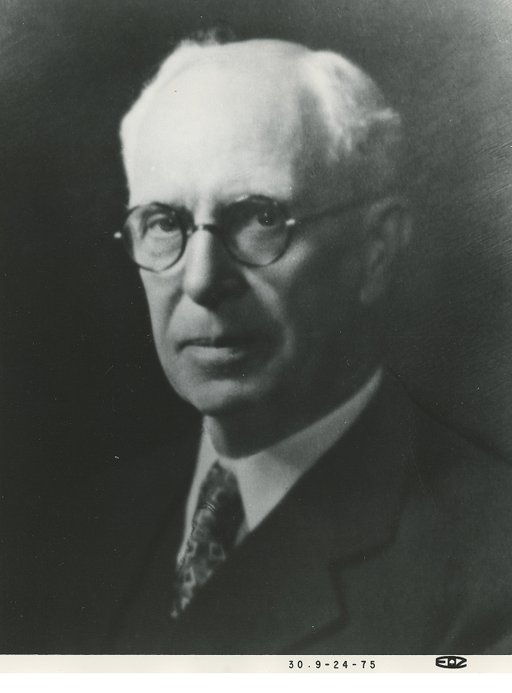
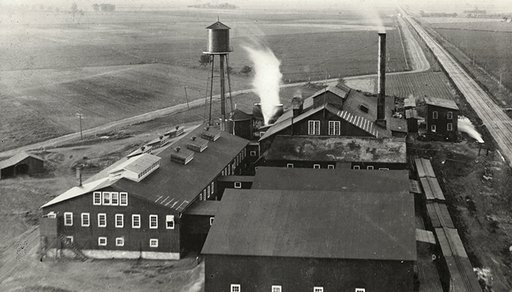
Herbert Westervelt invested $500 in the Prairie States Paper Company in Marseilles, Illinois. This mill made wrapping paper from straw.
1897
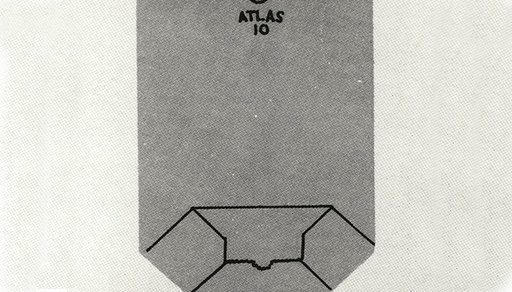
Prairie States Paper Co. built the first bag machines. These were heavy sugar bags, bearing the “Atlas” brand name. The establishment of a new bag factory in Braithwaite, Louisiana in 1902 was the defining expansion of the company’s operations.
1902
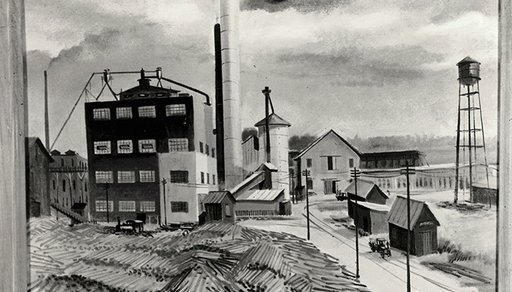
Herbert Westervelt patented a self-opening paper bag machine. It produced flat bottomed paper bags which, when opened at a flick of the wrist, stood upright. The “B” machine, constructed in 1901 by Beloit Iron Works, began operations in Braithwaite, Louisiana.
1907
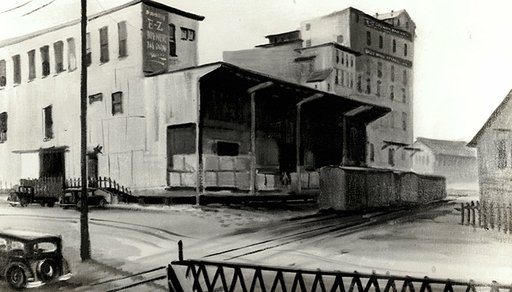
The E-Z Opener Bag Company was established and in 1911 moved to a newly established plant in Decatur, Illinois. In 1912 the first bags made from Southern pine paper were produced in Orange, Texas. These bags were made from Kraft paper, which had just hit the markets earlier that year. In 1927, this facility would relocate to New Orleans to be closer to the new paper mill in Braithwaite.
1915
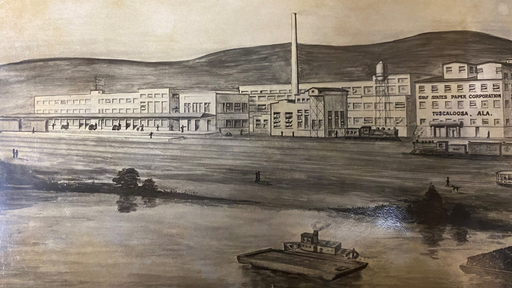
The Company began producing pulp from Southern pine in Braithwaite, Lousiana, 17 miles south of New Orleans. It had previously been used to produce paper from sugarcane. A year later the facility was producing 8 – 10 tons a day of Kraft paper. In 1918, the bag company in Fulton, New York, was moved to New Orleans to be closer to the paper mill in Braithwaite. E-Z Opener bags were produced there until 1934.
1927
When the Braithwaite location flooded for the second time, a committee was formed to discuss Alabama as a possible site for the new paper mill, and in 1928 construction on the Tuscaloosa paper mill began. A year later, E-Z Opener became Gulf States Paper.
1929
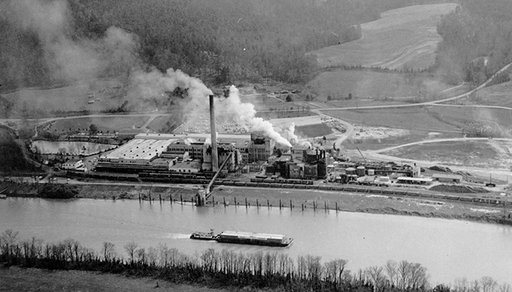
The company completed construction of its first major pulp and paper mill in Tuscaloosa, Alabama. The bag equipment located in Braithwaite arrived in Tuscaloosa in 1934, fully establishing Tuscaloosa as the center of the Company’s operations.
1938
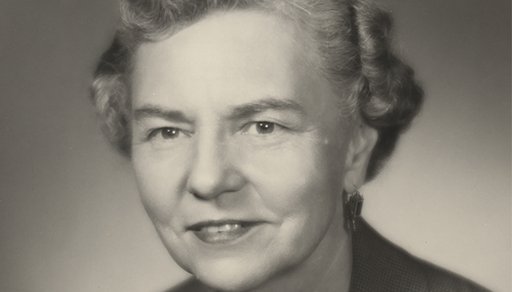
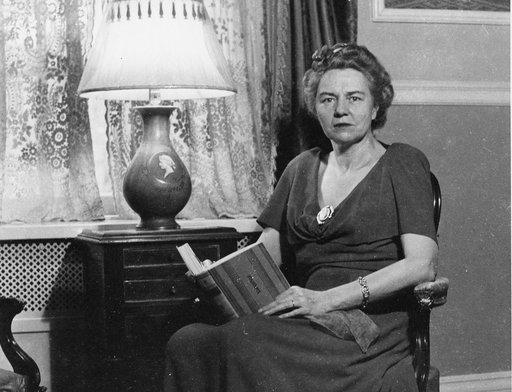
H.E. Westervelt passed away. His daughter Mildred Westervelt Warner became President of the Company.
1946
Gulf States announced major expansion plans to increase production. These plans had been delayed by WWII.
1947
The Company refocused resources on expansion with an emphasis on forestry and wildlife services, forming the Forestry Division in 1948.
1949
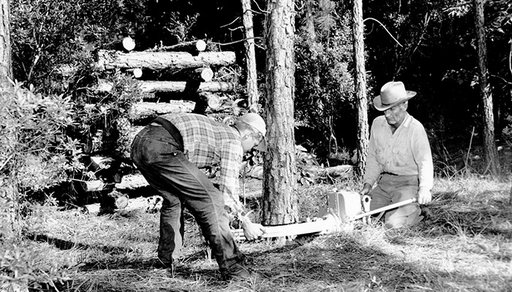
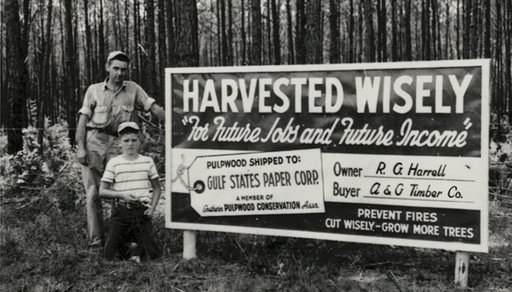
The company began delving into forestry, land management and timber farming. It bought 250,000 pine seedlings and planted 256 acres of land in Autauga, Bibb and Tuscaloosa counties in Alabama, with the first pine plantation coming in 1956 in Bibb County. Between 1955 and 1956, 7.3 million seedlings were planted on company property, and another 2.3 million were given away to encourage reforestation.
1951
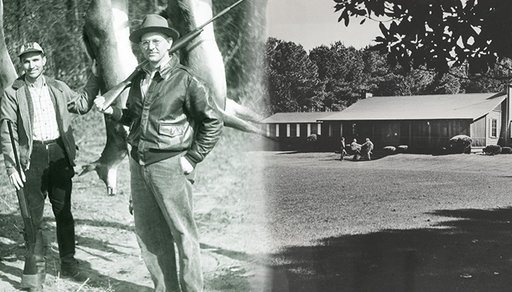
Gulf States Paper sponsored its first wildlife hunt, held at Westervelt Lodge.
1956
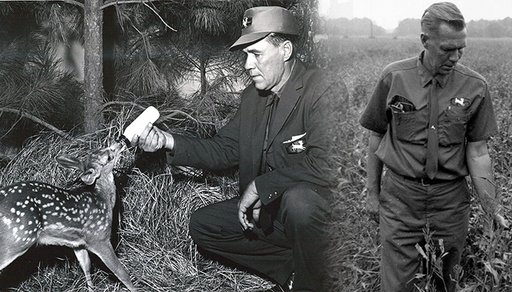
Ray Redmond joined the company as the manager of the Gulf States Wildlife management Program. He was the first fish and game expert employed by a private industry in the southeastern U.S. He developed and refined techniques of game management, including trapping and restocking game.
1957
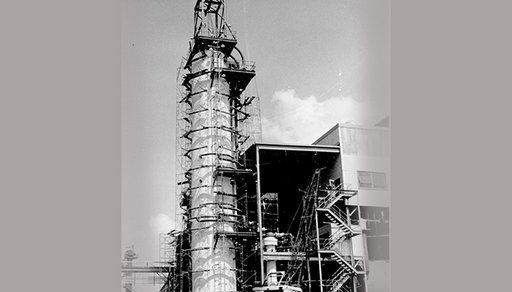
Operations at the Demopolis pulp mill began with the world’s largest continuous digester. The company produced 300 tons of pulp per day.
1957
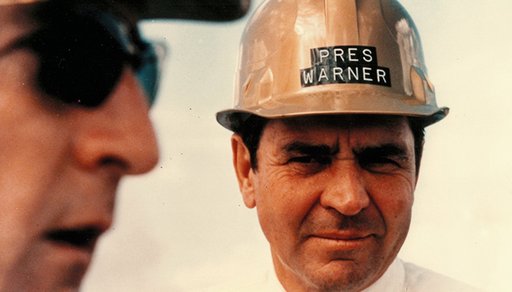
Jack Warner, Mildred’s son, became President of Gulf States. Under his leadership the company shifted focus away from bag production, eliminating a significant portion of the supply chain in order to further invest in land management and paper production.
1960
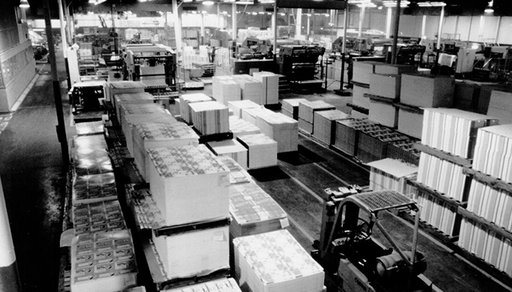
Gulf States entered the folding carton business, producing food, health and pharmaceutical packaging at mills in Maplesville, Alabama, Nicholsville, Kentucky, Waco, Texas, Conover, North Carolina, and Joplin, Missouri.
1961
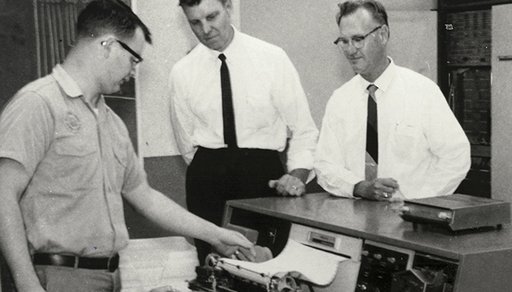
Gulf States announced the purchase of the first closed-loop computer in the paper industry, with operation beginning in 1963.
1968
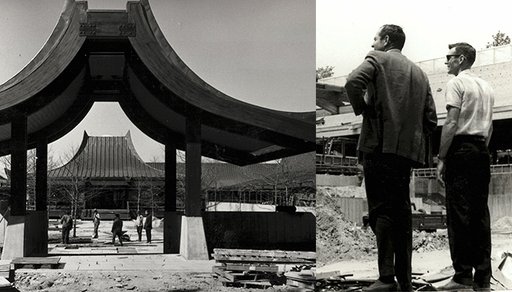
The Company began construction on a new headquarters building in Tuscaloosa, designed by architect Cecil Alexander.
1968
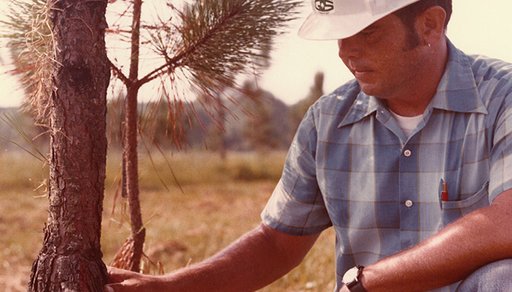
Gulf States began a tree breeding program.
1974
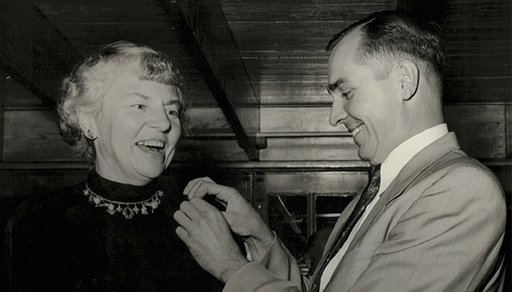
Mildred Westervelt Warner passed away.
1978
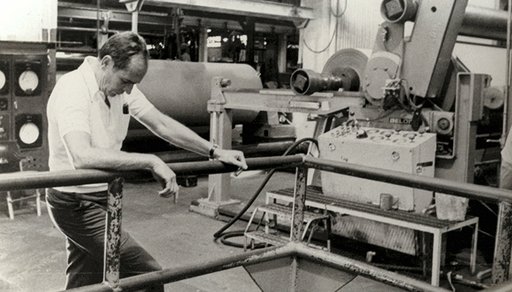
The Tuscaloosa Paper Mill closed permanently. It had been the first consolidated paper mill to open in the south, and was the next to last to close.
1981
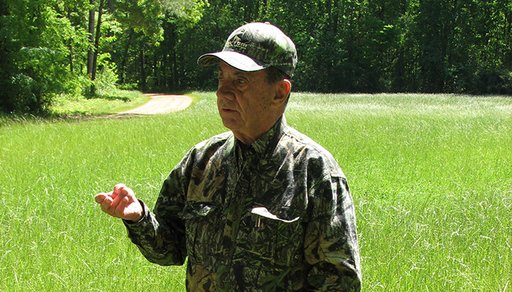
Renowned author Tom Kelly became a lead instructor for the Westervelt Lodge Wild Turkey Hunting School. His book “The Tenth Legion” is widely regarded by wild turkey hunters as the “holy grail”.
1995
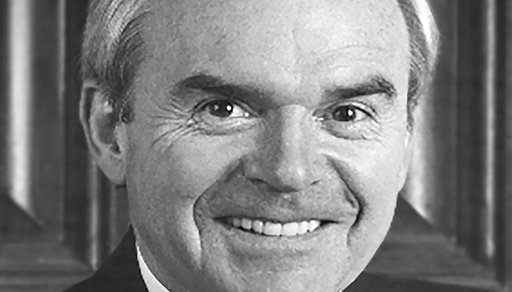
Ed Woods became the President of Gulf States, assuming the role of President and CEO the following year.
1997
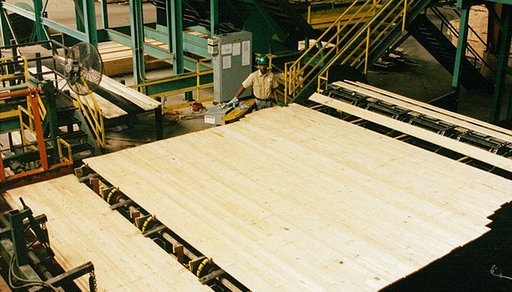
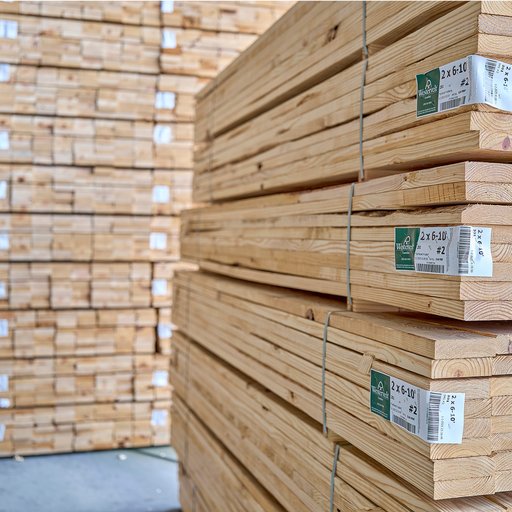
Westervelt Lumber opened in Moundville, Alabama, becoming the 2nd largest Southern yellow pine lumber producer.
2000
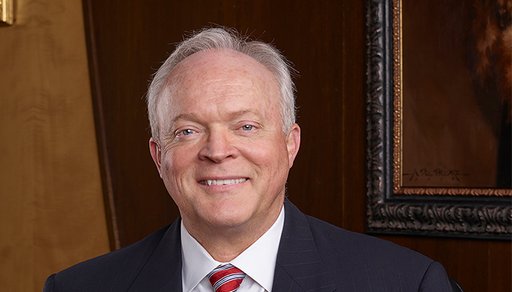
Mike Case became President and CEO of Gulf States.
2005
The Company sold most of its manufacturing assets, including its Demopolis Mill, to Rock-Tenn Company, to allow for growth into a land stewardship organization. A year later, Gulf States Paper changed its name to The Westervelt Company.
2006
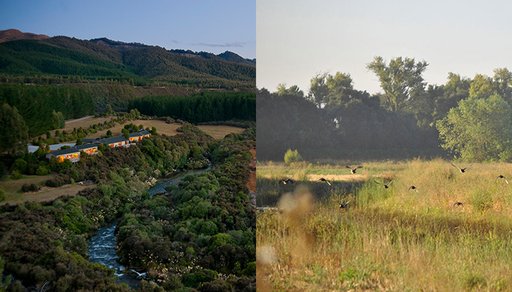
The Company grew with the addition of properties in New Zealand – Poronui Lodge and Glazebrook Station, along with agricultural properties and activities – and the founding of Westervelt Ecological Services, focusing on conservation and mitigation services.
2017
Brian Luoma became President and CEO of The Westervelt Company.

2021
Westervelt Lumber opened in Thomasville, Alabama.
2022
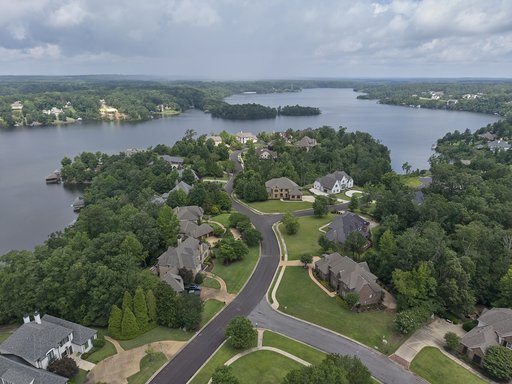
The Real Estate business and the Sustainability Department were created, recognizing the company's commitment to sustainability throughout the organization.
2024
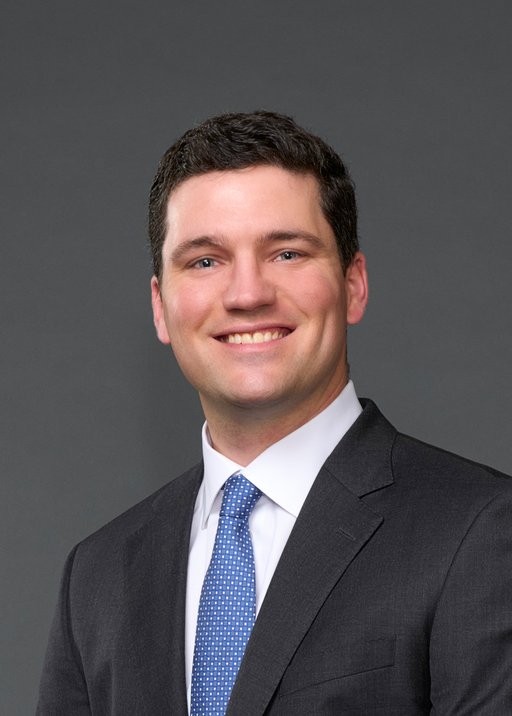
Cade Warner assumed leadership as CEO of The Westervelt Company, representing the fourth generation of family leadership.